Backend
WebSockets: Building Real-Time Applications
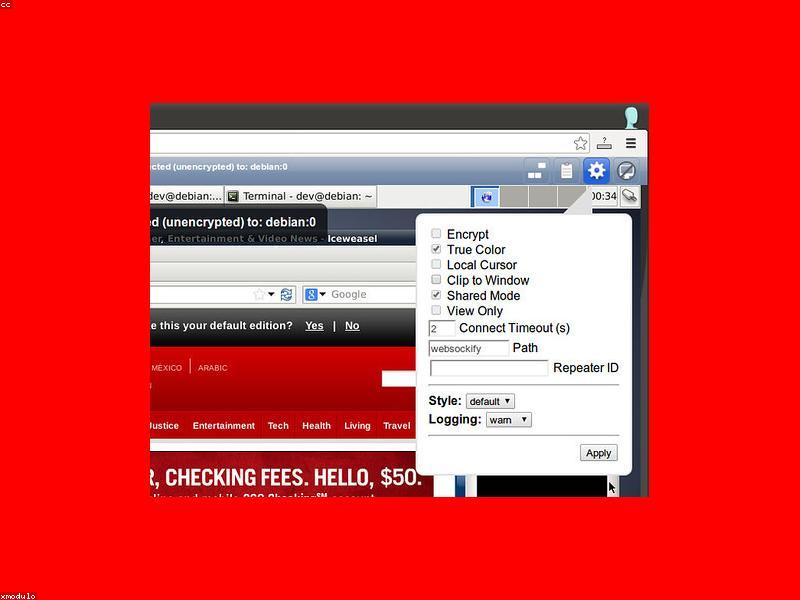
The web was originally built for request-response communication, but modern applications demand real-time experiences. WebSockets provide full-duplex communication channels over a single TCP connection, enabling instant data exchange between client and server. The setup is simpler than you might think. On the server, libraries like Socket.io (Node.js) or Action Cable (Rails) handle the complexity of connection management and fallback options. The client creates a connection, and both sides can emit named events with data payloads. This opens up countless possibilities: chat applications with typing indicators, collaborative editing tools where multiple users see changes instantly, live dashboards that update without page refreshes, and multiplayer games. The key challenges are handling reconnections, scaling connections across multiple servers (using pub/sub systems like Redis), and authentication. Start by building something simple—a basic chat app with Socket.io takes just a few dozen lines of code. Once you understand the pattern, you'll see real-time possibilities everywhere in your applications.
1,186
Views
158
Words
1 min read
Read Time
Dec 2025
Published