Automotive
AI in the Automotive Industry: The Road to Self-Driving Cars
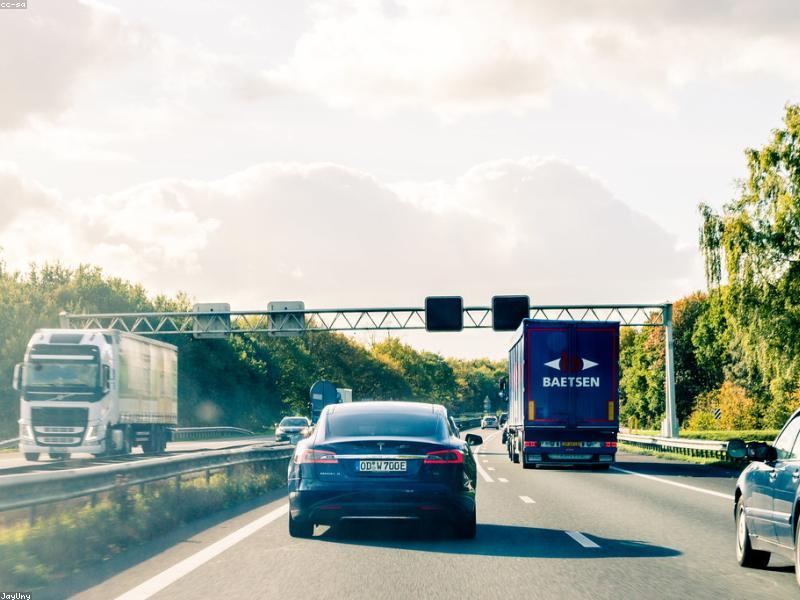
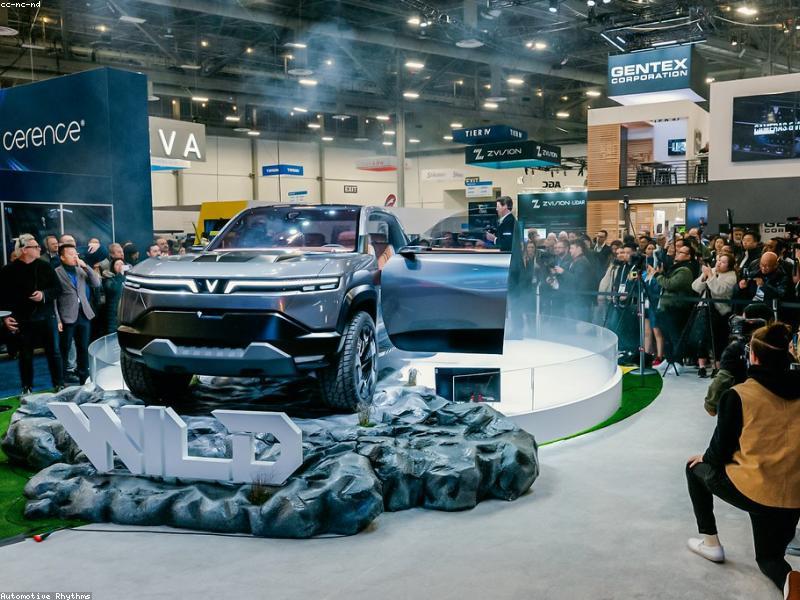
The automotive industry is undergoing a seismic shift, with AI at the wheel. The ultimate goal is full autonomy—vehicles that can navigate any road in any condition without human intervention—but we are currently on a journey with several levels of automation already on our roads. Today's advanced driver-assistance systems (ADAS) are AI-powered. Features like adaptive cruise control, lane-keeping assist, and automatic emergency braking use a combination of cameras, radar, and AI algorithms to perceive the environment and make decisions in milliseconds, significantly enhancing safety. The next step, which we are seeing in early commercial deployments, is Level 4 autonomy—self-driving cars that can operate without human input in specific conditions or geofenced areas, like a city center or a highway. The technology relies on a complex suite of sensors (LiDAR, radar, cameras) that create a real-time 3D map of the car's surroundings. AI models process this data, recognizing other vehicles, pedestrians, cyclists, and traffic signs. They then plan a path, predict the behavior of other objects, and control the car's acceleration, braking, and steering. The challenges that remain are vast, from handling unpredictable human behavior to navigating adverse weather conditions. But the potential benefits—reducing accidents caused by human error, improving traffic flow, and providing mobility for those who cannot drive—make this one of the most exciting and ambitious applications of AI.
1,150
Views
224
Words
2 min read
Read Time
Dec 2025
Published