3D Graphics
Three.js and WebGL: Creating Immersive 3D Experiences
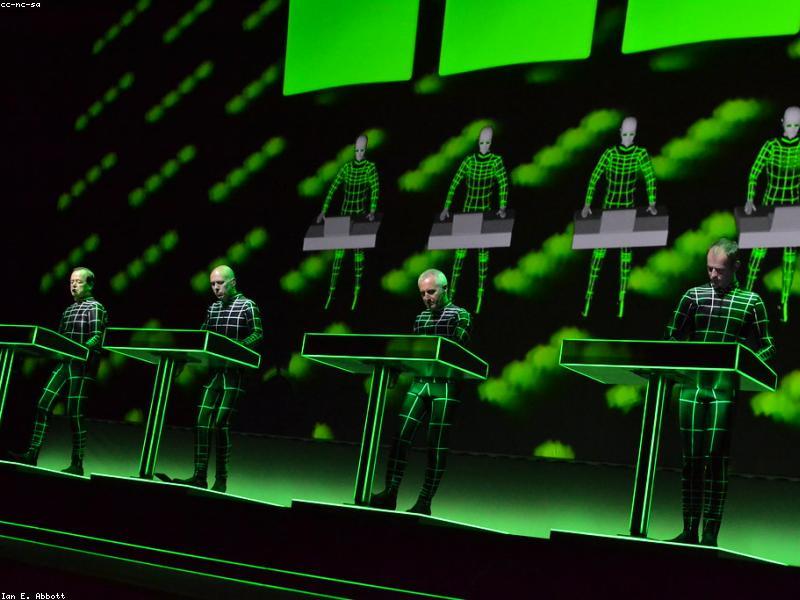
Three.js is the most popular library for creating 3D graphics in the browser, abstracting the complexity of WebGL into an approachable API. The library enables everything from product visualizers to immersive games to data visualizations. The core architecture involves a scene (the 3D world), camera (perspective or orthographic), renderer (WebGL or WebGPU), and lights (ambient, directional, point). Mesh objects combine geometry (shape) and material (appearance) and are added to the scene. Animation loops (requestAnimationFrame) update properties and render. Advanced features include loading 3D models (glTF/GLB format is standard), particle systems for effects, post-processing passes for bloom and glitch effects, and shader programming for custom visuals. Performance optimization is critical—use BufferGeometry for efficient vertex data, limit draw calls by merging geometries, implement Level of Detail (LOD) for distant objects, and use texture compression. The learning curve is steep—understanding 3D mathematics (vectors, matrices, quaternions) helps significantly. For production, consider using React Three Fiber, which provides a React-friendly API and handles scene graph management. Use cases span e-commerce (3D product views), real estate (virtual tours), education (interactive models), and artistic experiences. The ecosystem includes tools like Blender for creating 3D assets and glTF Transform for optimization. For web developers, Three.js opens creative possibilities far beyond traditional 2D interfaces.
1,337
Views
210
Words
1 min read
Read Time
Jan 2026
Published