Technology
3D Printing: From Prototyping to Mass Production
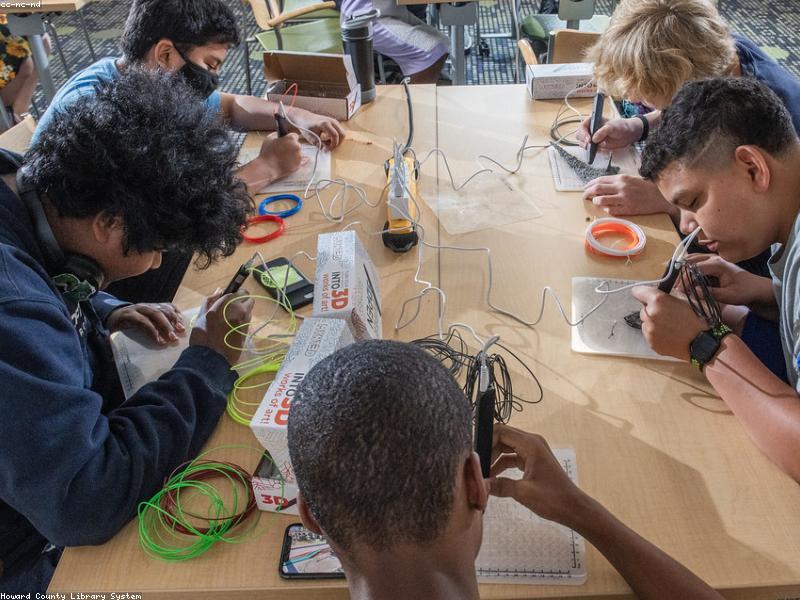
3D printing, or additive manufacturing, has evolved from a niche tool for prototyping to a transformative technology capable of mass production and complex manufacturing. The ability to build objects layer by layer allows for geometries that are impossible with traditional subtractive methods, enabling lighter, stronger, and more efficient designs. In industries like aerospace and automotive, companies are 3D printing critical components to reduce weight and improve fuel efficiency. In healthcare, the technology is being used to create patient-specific implants, prosthetics, and even bioprinted tissues for research. The construction industry is exploring 3D-printed homes to address housing shortages with faster, cheaper, and more sustainable building methods. For consumers, while desktop 3D printers remain popular with hobbyists, the real impact is in distributed manufacturing, where digital files for parts can be sent anywhere in the world to be printed on-demand, reducing shipping costs and inventory waste. As materials science advances, with new printable metals, ceramics, and composites, the scope of what can be manufactured with 3D printing will only continue to expand, challenging traditional supply chain models.
1,557
Views
175
Words
1 min read
Read Time
Nov 2025
Published