Introduction
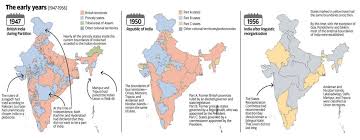
The Article 3 of the Indian Constitution is a crucial provision that gives the Parliament the authority to reorganize the political map of India. It plays a key role in the creation of new states and modification of existing ones.
📜 What is Article 3?
Article 3 empowers the Parliament of India to:
Form a new state by separating territory from any state
Increase or decrease the area of any state
Alter the boundaries of any state
Change the name of any state
⚖️ Procedure Under Article 3
The process for making changes under Article 3 includes:
A bill must be introduced in Parliament
The bill can only be introduced with the prior recommendation of the President
The President refers the bill to the concerned State Legislature
The State Legislature gives its opinion within a specified time
Parliament can accept or reject the opinion and pass the bill
👉 Important: The opinion of the state legislature is not binding on Parliament.
🏛️ Key Features of Article 3
Parliament has ultimate authority over state reorganization
States do not have veto power
Ensures flexibility in governance
Helps in addressing regional demands
🌍 Examples of Article 3 in Action
Creation of Telangana from Andhra Pradesh
Formation of Chhattisgarh from Madhya Pradesh
Creation of Jharkhand from Bihar
Formation of Uttarakhand from Uttar Pradesh
📊 Importance of Article 3
Maintains unity while allowing regional diversity
Helps in better administration
Resolves regional imbalances
Supports democratic demands of people
⚠️ Criticism of Article 3
States have limited say
Can lead to political misuse
Sometimes causes regional conflicts
📝 Conclusion
Article 3 of the Indian Constitution ensures that India remains adaptable to changing political, social, and administrative needs. It reflects the flexible nature of the Constitution and strengthens the unity of the nation while respecting diversity.
Technology
Article 3 Formation of New States and Alteration of Areas
Tags
5,192
Views
281
Words
2 min read
Read Time
Apr 2025
Published