Technology
Autonomous Vehicles: Navigating the Road to Full Self-Driving
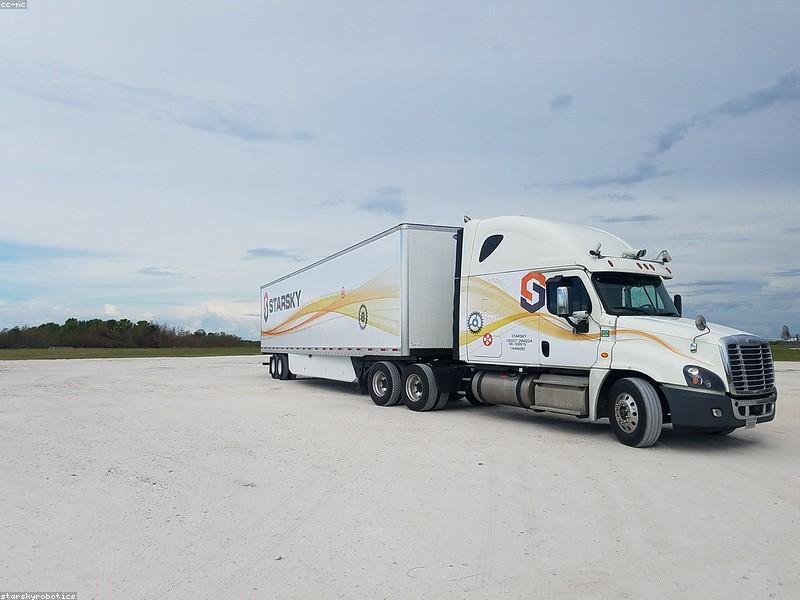
The journey to fully autonomous vehicles (AVs) has been longer and more complex than early predictions suggested. While advanced driver-assistance systems (ADAS) like adaptive cruise control and lane-keeping are now common, true Level 5 autonomy—where a vehicle can operate without any human intervention under all conditions—remains elusive. Companies like Waymo and Cruise have launched limited robotaxi services in geofenced areas, demonstrating that the technology works in controlled environments. The challenges lie in handling edge cases, unpredictable human behavior, adverse weather, and the immense computational power required for real-time decision-making. Beyond the technology, regulatory hurdles and public trust are significant barriers. Proponents argue that AVs promise to drastically reduce traffic accidents caused by human error, increase mobility for the elderly and disabled, and reshape urban landscapes by reducing the need for parking. As sensors become cheaper and AI models more robust, we will likely see a gradual expansion of autonomous capabilities in commercial fleets (like trucks and delivery vehicles) before they become a ubiquitous consumer reality.
3,060
Views
166
Words
1 min read
Read Time
Nov 2025
Published