Technology
Biotechnology and CRISPR: Editing the Code of Life
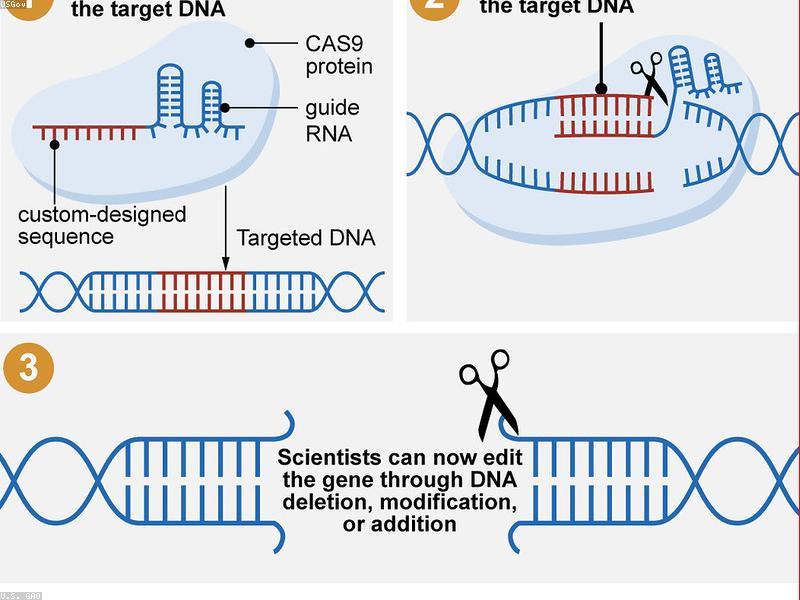
CRISPR-Cas9, a groundbreaking gene-editing tool, has revolutionized biotechnology by allowing scientists to make precise changes to DNA with unprecedented ease and accuracy. This technology holds the potential to cure genetic diseases like sickle cell anemia, cystic fibrosis, and certain types of cancer by correcting the underlying genetic mutations. Beyond human health, CRISPR is being used to develop crops that are more nutritious, drought-resistant, and require fewer pesticides. In agriculture, it promises to address food security challenges posed by climate change. However, the power to edit the human germline—changes that would be passed down to future generations—raises profound ethical questions. The scientific community has called for cautious governance to prevent misuse, such as creating so-called designer babies. As clinical trials for CRISPR-based therapies progress and regulatory frameworks evolve, we stand on the brink of a new medical era where genetic diseases could be eradicated. The challenge lies in ensuring equitable access to these transformative treatments while navigating the complex ethical landscape.
2,523
Views
162
Words
1 min read
Read Time
Nov 2025
Published