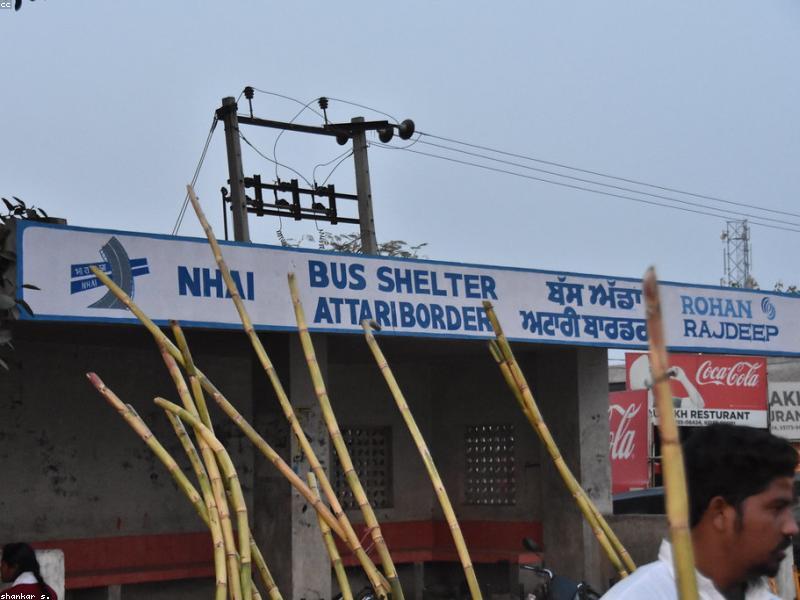
Last year, I crossed the Wagah border. Not as a journalist. Just as a guy with a backpack and a lot of curiosity. What I saw changed how I think about money, growth, and hope.
On the Indian side, even small towns had paved roads and working wifi. On the Pakistani side, the roads weren’t bad, but the power cuts were constant. Every shop had a backup generator. That costs money. Money that could have gone into hiring more people.
I stayed in Amritsar first. The local chai wallah took payments via QR code. Then I crossed to Lahore. Amazing food. Amazing people. But everyone wanted cash. No digital payments. That might not sound like a big deal, but it tells you everything. When money moves slowly, the economy moves slowly.
I asked a taxi driver in Lahore why things feel stuck. He said, “Bhai, we change our prime minister more often than our tires.” He wasn’t joking. Between 2018 and 2023, Pakistan had four different prime ministers. India had one. Businesses hate uncertainty. You can’t invest in a new factory if you don’t know who will be in charge next month.
But here’s what surprised me. Pakistan’s middle class is incredibly resilient. They find ways to survive. They send kids to private schools even when salaries don’t rise. They start side hustles. India’s middle class is larger and richer, but Pakistan’s is tougher in some ways.
If you ask me which economy I’d bet on for the next ten years? India, easily. But never underestimate a country that has survived everything thrown at it and still smiles.
Travel & Economy
From My Notebook: What Traveling Between India and Pakistan Taught Me About Their Economies
327
Views
276
Words
2 min read
Read Time
Mar 2026
Published