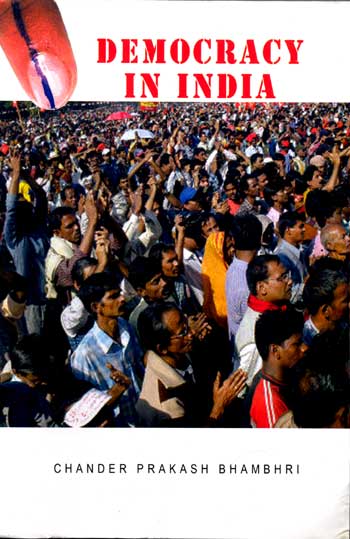
largest democracy, with more than one billion eligible voters participating in elections. The democratic system of India allows citizens to choose their representatives through free and fair elections, ensuring that the government reflects the will of the people.
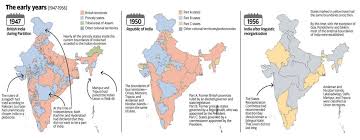
The foundation of Indian democracy is the Constitution of India, which guarantees equality, freedom, justice, and fundamental rights to all citizens. India adopted a democratic republic system after gaining independence from British colonial rule in 1947, and the Constitution came into effect on 26 January 1950.
Historical Background of Indian Democracy
The concept of democratic governance in India has historical roots in ancient village councils and local self-governance systems. However, the modern democratic structure emerged during the independence movement against British rule.
Leaders of the freedom struggle emphasized democratic values such as equality, liberty, and representation. After independence, the leaders of India drafted a comprehensive constitution that established a democratic political framework.
The first general elections were held in 1951–1952, marking the beginning of electoral democracy in India. Since then, India has successfully conducted regular elections at national, state, and local levels.
Structure of the Democratic System in India
India follows a parliamentary democracy with a federal system of government. Power is shared between the central government and state governments.
Constitution of India
The Constitution is the supreme law of the country. It defines the powers of the government, rights of citizens, and the structure of democratic institutions.
Legislature
The legislative branch in India is called the Parliament, which consists of two houses:
Lok Sabha (House of the People)
Rajya Sabha (Council of States)
The Lok Sabha members are elected directly by citizens, while Rajya Sabha members are elected by state legislatures.
Executive
The executive branch is responsible for implementing laws and policies. It includes:
President of India (constitutional head of state)
Prime Minister (head of government)
Council of Ministers
The Prime Minister leads the government and manages the administration of the country.
Judiciary
The judiciary is independent and protects the Constitution. The Supreme Court of India is the highest judicial authority and ensures that laws follow constitutional principles.
Elections and Political Participation
Elections are a fundamental element of Indian democracy. Every citizen aged 18 years or above has the right to vote.
The Election Commission of India conducts elections and ensures that they are free, fair, and transparent.
India holds several types of elections:
General elections for the national parliament
State legislative assembly elections
Local government elections such as municipal and panchayat elections
Presidential and vice-presidential elections
The use of electronic voting machines (EVMs) has made the election process efficient and transparent.
Fundamental Rights in Indian Democracy
Fundamental rights are an essential feature of democracy in India. These rights protect citizens from discrimination and ensure personal freedom.
Important fundamental rights include:
Right to equality
Right to freedom of speech and expression
Right to freedom of religion
Cultural and educational rights
Protection against exploitation
Right to constitutional remedies
These rights allow citizens to participate actively in the democratic system and hold the government accountable.
Role of Citizens in Democracy
Citizens are the foundation of any democratic system. In India, people participate in democracy through voting, political participation, public debates, and civic engagement.
Media, civil society organizations, and social movements also play an important role in strengthening democratic values. Public awareness and participation help ensure transparency and accountability in governance.
Challenges to Indian Democracy
Despite its strength and longevity, Indian democracy faces several challenges.
Some key challenges include political corruption, influence of money in elections, social inequalities, communal tensions, misinformation, and regional disparities in development.
Strengthening institutions, promoting education, ensuring transparency, and encouraging responsible political participation are necessary to overcome these challenges.
Future of Indian Democracy
The future of Indian democracy depends on strong institutions, informed citizens, and responsible leadership. Technological advancements, digital governance, and youth participation are playing an increasingly important role in shaping the democratic landscape.
As India continues to grow economically and politically, its democratic system will remain essential in maintaining stability, diversity, and representation.
Conclusion
Indian democracy stands as one of the most significant democratic experiments in the world. Despite its challenges, India has maintained regular elections, peaceful transitions of power, and a vibrant political culture.
The strength of Indian democracy lies in its constitution, institutions, and active citizen participation. As the world's largest democracy, India continues to demonstrate the importance of democratic governance in a diverse and complex society.
Technology
Indian Democracy Structure History Elections Rights and Challenges of the World's Largest Democratic System
Tags
3,929
Views
726
Words
4 min read
Read Time
Apr 2025
Published